
A cold plunge tub can be a powerful tool for recovery. Research cited in a WIRED article reports that cold water immersion can increase noradrenaline by 530 percent and dopamine by 250 percent. It also helps reduce inflammation, relieve muscle soreness, and support mental clarity. But none of those benefits matter if the water inside your tub is not clean. Regular maintenance including filtration, cleaning, and water changes keeps your cold plunge tub safe and pleasant to use.
Why Regular Maintenance Matters for Your Cold Plunge Tub
Cold plunge tubs support muscle recovery, reduce inflammation, and boost circulation according to information from MySaunaWorld.com. Cold water therapy also helps reduce lactic acid buildup, reduces swelling, and normalizes adrenaline production as noted by ColdTub.com. But standing water that is not properly filtered or cleaned can become a breeding ground for bacteria and biofilm. A well maintained cold plunge tub keeps the water inviting and reduces the risk of skin irritation or other issues.
Some systems like those from Hydro System use HydrOzone UV sanitization and require no chemicals. Other systems rely on mechanical filtration and periodic chemical treatment. Regardless of which approach your setup uses, a consistent routine is essential. The Frozin Filtration System, for example, is designed to keep plunge water clean as part of a complete cold plunge system. Understanding the components and schedule for your specific tub will help you get the most out of your investment.
Filtration: The Heart of Clean Plunge Water
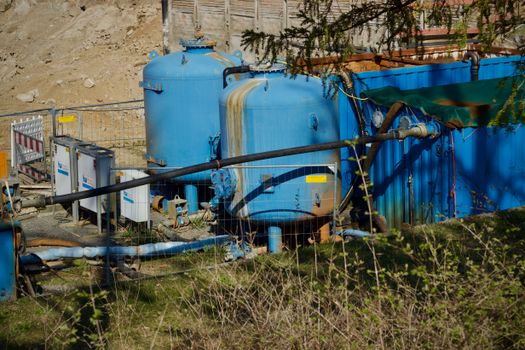
Filtration is the first line of defense against cloudy water and bacterial growth. Most cold plunge tubs use a pump to circulate water through a filter cartridge that traps debris, hair, dust, and other particles. The Frozin Filtration System is one example of a dedicated filtration solution that keeps plunge water clean. Some premium systems also include UV or ozone sanitization as an additional layer of protection.
Hydro System's Cold Plunge add-on uses HydrOzone UV sanitization and no chemicals. This approach uses ultraviolet light and ozone to neutralize microorganisms without introducing chlorine or bromine into the water. For people who are sensitive to chemical smells or who want a more natural experience, UV based systems are an attractive option.
Check and Clean the Filter Cartridge Weekly
Filter cartridges collect debris and lose efficiency over time. Remove the cartridge once a week and rinse it with a garden hose to remove surface debris. If the cartridge appears discolored or has a slimy film, soak it in a filter cleaning solution according to the manufacturer instructions. Replace the cartridge every four to six weeks or sooner if flow rate drops noticeably.
Inspect Pump and Hoses Monthly
The pump circulates water through the filter and chiller. Check the pump intake for blockages and listen for unusual noises that could indicate air locks or wear. Inspect hoses for kinks, cracks, or leaks. The Frozin Complete Cold Plunge System includes hoses and a setup guide to help you get the connections right from the start. A small leak can lead to water loss and reduced filtration efficiency, so address any issues promptly.
Monitor UV or Ozone Systems per Manufacturer Guidelines
If your cold plunge tub uses UV or ozone sanitization, follow the specific maintenance schedule provided by the manufacturer. UV bulbs typically need replacement every 12 months to maintain their effectiveness. Ozone generators may require periodic cleaning of the output cell. The HydrOzone system from Hydro System is designed to run without chemicals, but the UV bulb and ozone components still need routine attention.
Cleaning Schedule for Your Cold Plunge Tub
A thorough cleaning schedule prevents biofilm buildup, maintains water clarity, and extends the life of your tub. The frequency of cleaning depends on how often you use the tub, whether you shower before plunging, and whether you keep the tub covered when not in use.
Daily Tasks
Remove any visible debris like leaves or dust from the water surface using a small net. Check that the pump and filter are running normally. If your tub has a cover, keep it closed when the tub is not in use to reduce airborne contaminants entering the water. A quick visual check takes less than a minute and can prevent larger problems later.
Weekly Tasks
In addition to rinsing the filter cartridge, wipe down the interior waterline of the tub with a soft cloth or sponge. Use only cleaners recommended by the tub manufacturer to avoid damaging the surface or introducing harmful residues. For tubs like the Frozin 400 Cold Plunge Tub, which is insulated and chiller ready, a gentle wipe with a mild cleaner helps keep the surface clean. Also wipe the cover and the rim where dust and oils can accumulate.
Monthly Tasks
Perform a deeper clean of the entire tub. Drain the water completely and scrub all interior surfaces. Pay special attention to corners, seams, and around the drain fitting where biofilm can hide. Rinse thoroughly with fresh water before refilling. This is also a good time to inspect the tub for any cracks, seal failures, or wear. The Frozin 400 Cold Plunge Tub is made in the USA and built to last, but regular inspection helps catch small issues before they become expensive repairs.
Water Changes How Often and Why
Even with excellent filtration and regular cleaning, water chemistry changes over time. Dissolved solids from skin, sweat, and the environment accumulate. Bacteria can become resistant to low levels of sanitizer. Water changes reset the system completely and give you a fresh start.
Full Water Change Every One to Three Months
For most home cold plunge tubs, a complete water change every one to three months is adequate. If you use the tub daily or share it with multiple people, change the water more frequently toward the one month end of the range. If you use the tub less frequently and maintain good chemical balance, you may stretch to three months. The 100 gallon capacity of the Frozin 400 Cold Plunge Tub means a full water change uses a significant amount of water, so planning ahead is worthwhile.
Partial Water Changes as Needed
Some owners choose to drain and replace half the water every few weeks to dilute accumulated solids without a full empty and scrub. This approach can extend the time between full changes but should not replace regular deep cleaning. A partial change combined with good filtration can keep the water fresh for longer periods.
Signs It Is Time for a Water Change
Cloudy water that does not clear after filter cleaning, a persistent odor, or foam on the surface are clear signs that the water needs to be changed. If your test strips show high levels of dissolved solids or if the pH is difficult to balance, a water change is the simplest solution. Do not wait for the water to look or smell bad before taking action.
Tips for Extending Water Quality Between Changes
Shower before using your cold plunge tub to remove oils, lotions, and sweat from your skin. This single habit reduces the organic load on your filter and sanitizer significantly. Keep the tub covered when not in use to block debris and sunlight that can promote algae growth. Adding Cold Plunge to your bathtub can reduce the water temperature down to 37 degrees Fahrenheit according to HydroSystem.com, and keeping the water cold also slows bacterial growth compared to warm water.
Test the water chemistry weekly using test strips designed for cold plunge or spa water. Most systems perform best with a pH between 7.2 and 7.8 and low levels of dissolved solids. If your system uses chemical sanitizers, follow the dosage instructions carefully. Over sanitizing can irritate the skin and damage components.
Consider using a system that minimizes chemical use. The Frozin Filtration System combined with proper cleaning and water changes can keep your water clean without relying heavily on chemicals. For those who prefer a fully chemical free approach, the HydrOzone UV sanitization used by Hydro System is worth exploring.
Frequently Asked Questions
How often should I change the water in my cold plunge tub?
Most home cold plunge tubs need a full water change every one to three months. The exact frequency depends on usage, filtration quality, and whether you shower before plunging. If you use the tub daily or share it with others, change the water closer to once a month to keep it fresh and safe.
Do I need to use chemicals in my cold plunge tub?
It depends on your system. Some cold plunge setups rely on UV or ozone sanitization and require no chemicals. The HydrOzone system from Hydro System is one example of a chemical free approach. Other systems use low levels of bromine or chlorine to keep water clean. Always follow the manufacturer instructions for your specific tub.
Can I use a hot tub filter for my cold plunge tub?
Hot tub filters are not always compatible with cold plunge systems because of differences in flow rate and fitting size. It is best to use the filter cartridge designed for your specific tub model. The Frozin Filtration System, for instance, is built specifically for cold plunge applications to keep the water clean effectively.
Why does my cold plunge water smell bad?
A bad smell usually indicates bacterial growth or high levels of dissolved organic material from skin oils and sweat. Showering before use, keeping the tub covered, and maintaining proper filtration all help prevent odors. If the smell persists, a full water change and deep cleaning of the tub interior is the best solution.
Consistent maintenance of your cold plunge tub does not take much time, but it makes a real difference in water quality and equipment longevity. By following a simple routine of filter checks, weekly cleaning, and regular water changes, you can keep your cold plunge tub ready for use whenever you need it. Whether you own a Frozin system or another brand, the principles remain the same clean water supports the recovery and wellness benefits that make cold plunging worthwhile.